
Master Food Labels Like a Pro Nutritionist
Comprehensive guides and expert insights to help you decode nutritional information and make informed food choices for a healthier lifestyle.
Why Reading Labels Matters for Your Health
Understanding food labels is one of the most powerful tools you can use to take control of your nutrition. Every day, you make food choices that impact your energy levels, weight management, and long-term wellness. Yet most people spend more time reading product reviews than scrutinising the nutrition facts panel on their food.
Food manufacturers invest heavily in packaging design and marketing claims, but the real story lies in the nutritional data. By learning to read labels properly, you'll discover hidden sugars, understand portion sizes, track macronutrients, and identify ingredients that may not align with your health goals.
This guide from Dietary Habits Flow will walk you through every section of a food label, explain what the numbers mean, and show you how to use this information to build healthier eating habits. Whether you're managing your weight, improving athletic performance, or simply wanting to eat better, label literacy is the foundation.
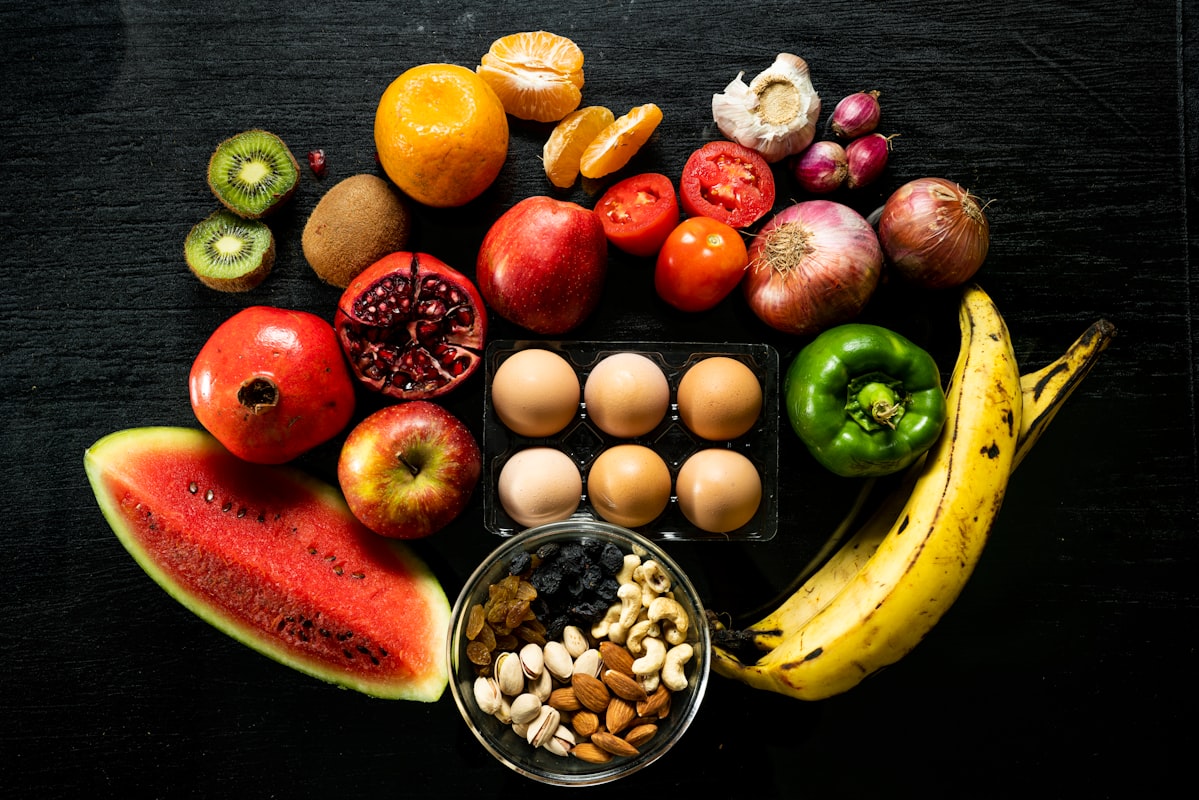
Key Nutrients to Track Daily
Learn which nutrients matter most and how to interpret their values on food labels. These five categories form the foundation of nutritional awareness.
Protein
Essential for muscle repair, immune function, and satiety. Most UK adults need 50-60g daily. Check labels for protein content—aim for sources with minimal additives. Plant-based and animal proteins both count toward daily targets.
Carbohydrates
Your primary energy source. Labels often hide refined carbs in "sugars" and "total carbs." Look for fibre content—whole grains, legumes, and vegetables provide sustained energy. Avoid products where sugar exceeds 10g per 100g.
Fats
Not all fats are created equal. Distinguish between saturated, unsaturated, and trans fats. UK guidelines suggest limiting saturated fat to 20g daily for women and 30g for men. Check the label breakdown—olive oil and nuts offer healthy fats.
Fibre
Crucial for digestive health, blood sugar control, and satiety. Adults should consume 30g daily. Labels often under-promote fibre content—check the "of which carbohydrates" breakdown to identify high-fibre products.
Sodium
Excess sodium raises blood pressure and increases fluid retention. UK recommendations limit sodium to 6g daily (about 2,400mg). Many processed foods exceed this—compare brands and choose lower-sodium options when available.
Sugar
Watch both "total sugars" and "added sugars" on labels. The UK recommends no more than 30g of free sugars daily. Fruit juices, yogurts, and flavoured cereals often contain hidden sugars—read carefully and compare similar products.
5-Step Label Reading Framework
Check the Serving Size
All nutrition facts are based on one serving—not the entire package. A packet of biscuits might contain three servings. Compare the serving size to how much you actually eat. If you eat twice the serving size, you must double all the nutrient values. This is where many people underestimate their intake.
Review the Calories
Calories provide energy—balance them against your daily needs and activity level. Adults typically need 2,000-2,500 calories daily, but individual needs vary. Use calorie information as context, not the only metric. A calorie-dense food isn't "bad" if it's nutrient-dense (like nuts or olive oil).
Analyze Macronutrients
Break down the fat, carbohydrate, and protein content. Most foods should align with your dietary goals—whether that's high-protein, low-carb, or balanced. Check the breakdown of fats to identify saturated versus unsaturated. For carbs, prioritise fibre content. This step helps you understand the "profile" of each food.
Scan the Ingredients List
Ingredients are listed by weight in descending order. If sugar appears in the first three ingredients, it's a significant component. Watch for hidden names for sugar (honey, agave, fruit concentrate) and additives you don't recognise. Shorter ingredient lists with recognisable items often signal better-quality products.
Compare Alternative Products
Don't judge a product in isolation. Compare similar items side by side—different brands of cereal, bread, or yogurt can vary dramatically in sugar and sodium. Use the nutritional information to make informed swaps. Sometimes a slightly higher price brings significantly better nutritional value.
Real Label Examples Decoded
See how our framework applies to everyday products. These practical examples show you what to look for and how to make smart choices at the supermarket.
Example 1: Breakfast Cereal
12g sugar per 30g serving, 2g fibre, 3g protein, 110 calories
One bowl contains 40% of daily recommended free sugar. The fibre content is modest, and protein is low. Many commercial cereals are high-sugar, low-nutrient processed foods dressed up as breakfast staples.
Look for cereals with less than 5g sugar per serving, at least 3g fibre, and ideally 4g+ protein. Oats, muesli with minimal added sugar, or eggs provide superior nutrition for the same price point.
Example 2: Flavoured Yogurt
18g sugar per 125ml pot, 8g protein, 135 calories, "natural strawberry flavour"
This pot contains as much sugar as two biscuits. The marketing claims "natural" and emphasises protein, but the sugar content rivals dessert. Many flavoured yogurts are sweetened with added sugars, not fruit.
Choose plain or natural yogurt with less than 5g sugar (from lactose alone), then add fresh fruit or honey yourself. Greek yogurt offers higher protein with lower sugar. You'll save money and control exactly what you eat.
Example 3: Vegetable Soup
400mg sodium per serving, 3g fibre, 2g protein, 80 calories, "made with real vegetables"
One tin contains two-thirds of the daily sodium recommendation. Despite the vegetable claim, the protein and fibre are surprisingly low. Processed soups prioritise shelf-life and taste, often at the expense of nutritional value.
Make fresh soup at home with vegetables, legumes (for protein and fibre), and minimal salt. Store-bought soups can work if sodium is under 600mg per serving—read labels carefully and opt for lower-salt varieties. Add beans or lentils for nutrition boost.
Example 4: Granola Bar
14g sugar per 40g bar, 4g protein, 6g fat, 180 calories, "wholesome" and "natural ingredients"
Marketing calls it wholesome, but nearly 40% of calories come from sugar. It's essentially a chocolate bar disguised as a snack. The fibre content isn't listed prominently—usually because it's low. Fine as an occasional treat, not a daily snack.
Choose bars with less than 8g sugar, at least 3g fibre, and 5g+ protein. Better yet, make your own with oats, nuts, and minimal honey. A piece of fruit with a handful of almonds provides more nutritional value at lower cost.
Example 5: Plant-Based Meat
19g protein, 16g fat per 100g, 290 calories, "meatless", 650mg sodium, "mimics beef texture"
The protein is impressive (matching beef), but calories and fat are identical to meat. Sodium is high—one portion is 10% of daily limits. It's ultra-processed with additives for flavour and texture. Marketing emphasises environmental benefits, not nutritional superiority.
Plant-based doesn't equal healthy. Compare whole plant proteins: legumes, tofu, and tempeh offer similar protein with less sodium and processing. Plant-based options work for ethical or environmental reasons, but nutritionally, they're processed substitutes, not upgrades.
Example 6: Extra Virgin Olive Oil
120 calories per tablespoon, 14g fat (2g saturated), 0g carbs, "cold-pressed", "unfiltered"
High calorie density (perfectly fine—it's 100% fat). Mostly unsaturated fat, which is heart-healthy. The "cold-pressed" and "unfiltered" indicate less processing and more antioxidants. This is a nutrient-dense whole food, not a processed product.
This is an excellent food despite high calories. Use it generously in salads and cooking—the unsaturated fats support heart and brain health. Don't fear the calories; fat is satiating and nutrient-dense. A tablespoon adds flavour and nutrition with minimal volume.
Common Label Questions Answered
UK and European food labels include nutrition facts per 100g as a standard reference point. This allows fair comparison between products regardless of package size. For example, if cereal A has 8g sugar per 100g and cereal B has 12g per 100g, you can immediately see cereal A is lower sugar. Always compare per 100g, not per serving, because serving sizes vary wildly between brands and may not reflect how much you actually eat. Many consumers ignore this and compare per-serving values, which can be misleading.
Sugar hides under many names. Look for: honey, agave nectar, maple syrup, fruit juice concentrate, rice syrup, coconut sugar, molasses, dextrose, fructose, glucose, sucrose, and cane juice. If any of these appear in the first three ingredients, the product is high in sugar. Even "healthy-sounding" names like organic cane juice or coconut sugar are still sugar nutritionally. The "Added Sugars" line on modern UK labels helps—this shows sugars added by manufacturers, separate from natural sugars (like in milk or fruit). Compare the total sugars line to the added sugars line to see if sugar comes from whole food sources or is purely added.
"Low fat" is a regulated claim meaning the product contains no more than 3g fat per 100g (or 1.5g per serving). "Reduced fat" simply means the product has at least 25% less fat than the full-fat version—it could still be high in fat. For example, reduced-fat biscuits might have 8g fat per 100g versus 10g in the original. Neither claim is inherently superior; it depends on your goals. Also note: when manufacturers remove fat, they often add sugar to maintain flavour. Check the full label—a "low fat" product might be higher in sugar than the original.
The Guideline Daily Amount shows what percentage of a typical 2,000 calorie diet each nutrient represents. For example, if a food contains 500 calories, it accounts for 25% of your daily energy needs. The GDA for key nutrients: 2,000 calories, 70g fat, 260g carbohydrate, 50g protein, 6g salt. Use GDA percentages to see at a glance if a product is high or low in specific nutrients. However, remember GDAs are generic—your actual needs depend on age, gender, activity level, and health goals. An athlete needs more carbs and protein; someone managing blood pressure needs to focus on sodium. The GDA is a starting point, not an absolute rule.
Many UK supermarkets use colour-coded labels: green (low) is good for most people most of the time, amber (medium) means choose less often or in smaller amounts, and red (high) means eat rarely or in small portions. For example, a food might be red in sugar and green in protein. Use these colours as quick visual guides, but always read the actual numbers—context matters. A food red in fat might still be healthy (like salmon or avoc ado). Check serving sizes too, as they affect how you interpret the numbers.
Start small and specific. Instead of "eat healthier," choose one habit: drink more water, add a vegetable to dinner, or swap sugary drinks for alternatives. Track this one habit for 2–3 weeks until it feels automatic. Then add another. Use Dietary Habits Flow tools to monitor progress, set reminders, and celebrate wins. Small, consistent changes compound into lasting transformation.
Absolutely. Dietary Habits Flow lets you customize your food database, exclude allergens, and filter by dietary preference (vegan, gluten-free, keto, etc.). You can log meals, track nutrients specific to your needs, and set personalized goals. Always consult your GP or registered dietitian for guidance on managing allergies or medical dietary needs.
Ready to Transform Your Eating Habits?
Join thousands of UK users who've improved their health with science-backed nutrition tracking and personalized insights. Start your journey today—it's free.
No credit card required. Mobile app + web dashboard included.
What Our Users Say
Real stories from people who've improved their health with Dietary Habits Flow.
"I lost 2 stone in 6 months without feeling deprived. The app made tracking simple, and the insights helped me understand why I was overeating. Best investment in my health!"
Sarah M.
Leeds, UK
"My energy levels are through the roof. I've ditched the afternoon crashes by balancing my meals properly. The educational content is fantastic—I finally understand nutrition!"
James T.
Manchester, UK
"As a vegan, finding balanced meals was hard. This app lets me track protein, B12, and iron easily. My blood work improved, and my GP was impressed!"
Emma L.
Bristol, UK